
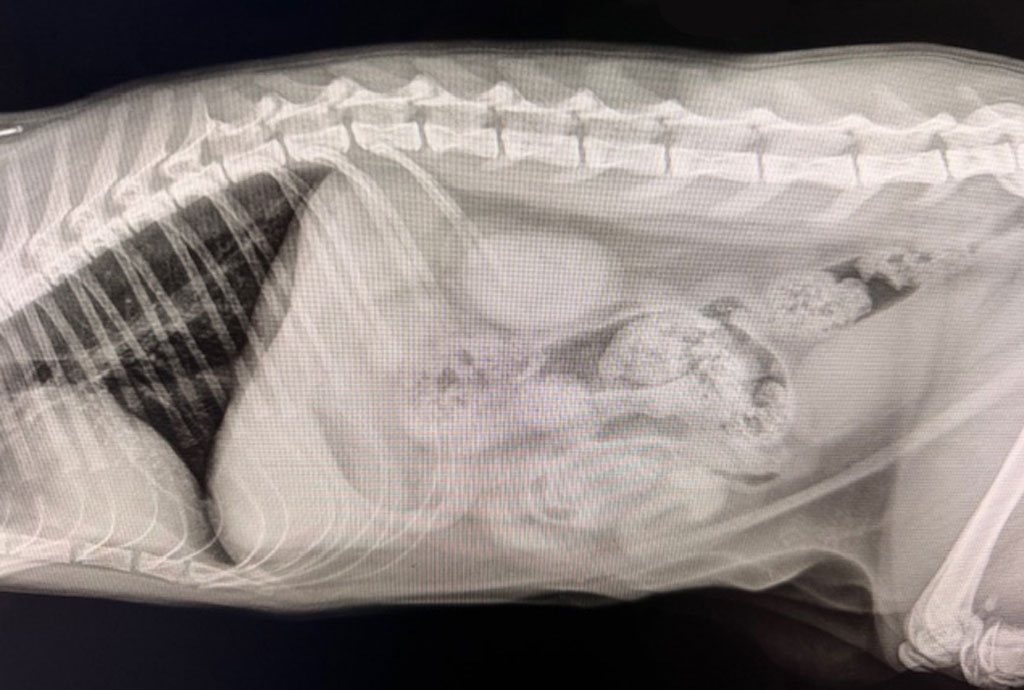
When it comes to diagnosing health issues in dogs, cats, and other companion animals, pet owners often wonder about the difference between veterinary ultrasound vs x-rays. Understanding how each tool works—and when a veterinarian might recommend one over the other—can help you feel more confident in your pet’s care. At Animal & Bird Hospital of Clearwater, we routinely guide owners through the choice between veterinary ultrasound vs x-rays, helping ensure each pet receives the most accurate and effective diagnostic approach.
How X-Rays Work in Clearwater Veterinary Diagnostics
X-rays (radiographs) are one of the most widely used imaging tools in veterinary medicine. They use a small, safe amount of radiation to capture images of the body’s internal structures. Because bone and other dense tissues absorb radiation differently than soft tissues, x-rays are especially useful for:
- Detecting fractures and joint problems
- Viewing lung and heart size
- Identifying foreign objects
- Checking dental health
- Evaluating the spine
X-rays produce a quick overall snapshot, making them ideal for first-line diagnostic questions, especially those involving bones, the chest, or acute injuries.
How Clearwater Veterinary Ultrasound Works
Unlike x-rays, ultrasound uses sound waves—not radiation—to create a detailed moving image of your pet’s internal organs. This makes ultrasound excellent for evaluating soft tissues and seeing how organs function in real time.
Veterinary ultrasound is particularly effective for diagnosing:
- Abdominal pain or unexplained vomiting
- Liver, kidney, or spleen abnormalities
- Bladder stones and urinary concerns
- Tumors or masses
- Pregnancy
- Fluid accumulation
Because ultrasound shows movement and texture, it often provides answers x-rays simply cannot. You can learn more about this service on our clearwater veterinary ultrasound page.
When Veterinarians Use Both Imaging Tools Together
The real strength comes from using x-rays and ultrasound together. An x-ray may reveal a silhouette or suggestive shadow, while ultrasound can zoom in and show exactly what’s happening. Combining both tools allows veterinarians to create a precise, tailored treatment plan and avoids unnecessary guesswork.
At Animal & Bird Hospital of Clearwater, we’re proud to be one of the few clinics in the region offering on-site diagnostic ultrasound. When your pet needs quick answers, having both technologies available means faster results, earlier intervention, and better outcomes. For pet owners who would like to dive deeper into the science, this peer-reviewed study on abdominal ultrasonography vs radiography in dogs offers a helpful look at how these imaging tools can complement each other in real clinical cases.
Schedule Your Next Appointment
Regular check ups with a veterinarian are important for your pet's health. Contact us today to schedule your next appointment.