
Rabies Is Closer Than You Think: Protecting Florida Pets
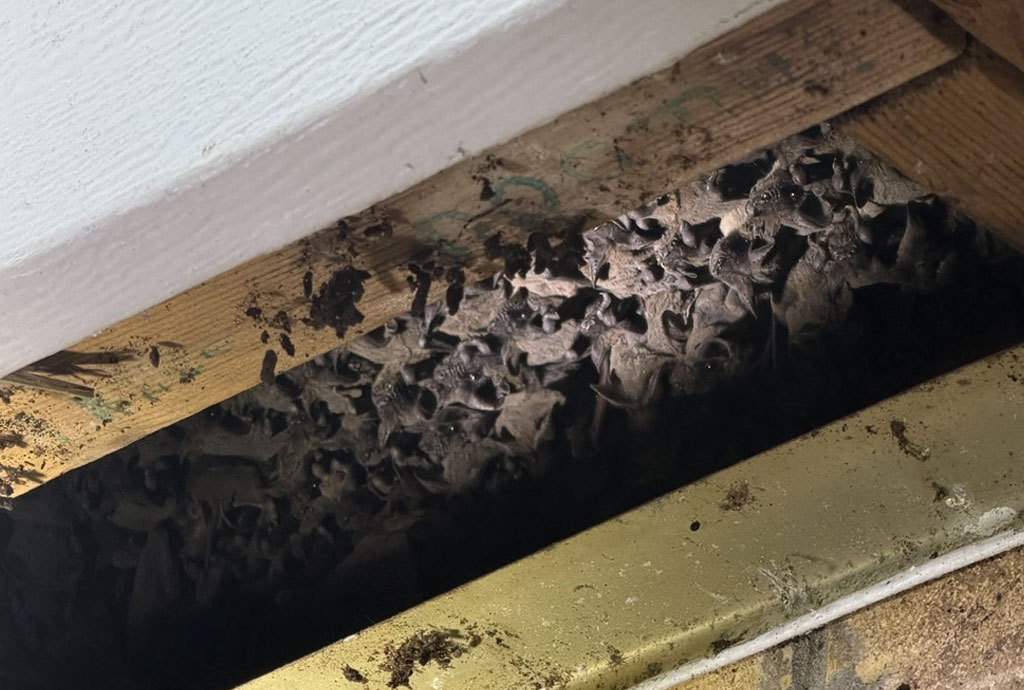
Recently, one of our own team members discovered a large colony of bats tucked into the eaves of her home. There is no reason to assume these bats had rabies, but the discovery was a striking reminder of how rabies exposure in pets can occur much closer to home than we may realize.
That reminder is especially timely. On September 10, 2026, the Centers for Disease Control and Prevention issued a national health advisory after multiple U.S. jurisdictions reported increases in human exposures to rabid or potentially rabid animals. The CDC received 17% more rabies-related inquiries in July and August 2026 than during the same months in 2025.
Rabies is preventable, but once clinical signs appear, it is nearly always fatal. Keeping your pet’s rabies vaccine current is one of the simplest and most important steps you can take to protect your pet, your family, and the community.
Why Rabies Exposure in Pets Matters in Florida
Rabies is still present in Florida wildlife. The Florida Department of Health identifies raccoons and bats as the state’s main wildlife sources of rabies. A curious dog investigating a bat on the patio, an outdoor cat tangling with a raccoon, or even a bat entering the house can create a potential exposure.
Indoor pets are not completely protected from wildlife encounters. Bats can enter through small openings, chimneys, attics, and eaves. A bite or scratch may also be difficult to see, especially beneath an animal’s fur.
How Vaccination Changes Rabies Exposure in Pets
If a dog, cat, or ferret with a current rabies vaccination is exposed to rabies, CDC guidance calls for an immediate booster vaccination, owner supervision, and monitoring for 45 days.
For a pet that has never been vaccinated, the consequences are far more serious. CDC guidance recommends euthanasia after a confirmed rabies exposure because no licensed treatment can guarantee that the animal will not develop rabies. If the owner declines, dogs and cats require strict four-month quarantine and ferrets require strict six-month quarantine, along with immediate vaccination.
Pets whose rabies vaccinations are overdue are evaluated individually in consultation with public-health and animal-health officials.
This is why a current rabies vaccination certificate matters. Vaccination does more than satisfy a legal requirement; it can dramatically change the options available to your pet after an exposure.
What to Do If Your Pet Encounters a Bat
- Do not touch the bat with bare hands, even if it appears injured, sick, or dead.
- Move people and pets away from the area and prevent further contact.
- If anyone may have been bitten, scratched, or had direct contact with the bat, wash any wound with soap and running water for 15 minutes and contact a healthcare or public-health professional promptly.
- If your pet may have had contact, call your veterinarian and local animal control or county health department. Do not release the bat unless public-health professionals advise that it is safe to do so. Testing may be needed.
- Do not examine a potentially exposed pet for wounds without gloves, because saliva from the wild animal could remain on the pet’s fur.
How to Protect Your Pet and Family
- Keep dogs, cats, and ferrets current on rabies vaccination, including pets that live indoors.
- Keep pets supervised and away from wild or stray animals.
- Feed pets indoors and secure rubbish, pet food, and other outdoor food sources that could attract wildlife.
- Bat-proof your home and have colonies removed by qualified wildlife professionals.
- Report unusual wildlife behavior or possible rabies exposures to the appropriate local authorities.
Is Your Pet Protected from Rabies?
If you are unsure when your pet’s rabies vaccine is due, call Animal and Bird Hospital of Clearwater at (727) 796-2552. We can check your pet’s medical record, answer your questions, and schedule an appointment if a booster is needed.
A simple vaccine today can prevent a frightening and complicated situation later.
References

Spaying or Neutering Your Cat: Benefits, Myths & What to Expect
Spaying or neutering your cat is one of the most responsible decisions you can make for your pet. Not only does this routine surgery prevent unexpected litters, but it also supports long-term health and helps reduce pet overpopulation across Clearwater and the greater Tampa Bay Area.

Fear Free Veterinary Care at Animal & Bird Hospital of Clearwater
At Animal and Bird Hospital of Clearwater, we believe exceptional veterinary care goes beyond medical treatment, it includes protecting a pet’s emotional wellbeing. That is why we are proud to provide fear free veterinary care, an approach designed to reduce fear, anxiety, and stress during every visit.

Clearwater Holiday Pet Safety: Hazards to Avoid This Season
The holiday season brings festive gatherings and beautiful décor, but it also introduces risks for pets that many families don’t realize.