
Ready for Your Vax, Jacks?
Pet Vaccinations: A Complete Guide for Dog and Cat Owners
A practical, veterinarian-guided overview of core pet vaccinations, lifestyle-based protection, schedules, safety, and common questions. .
Vaccinations are one of the simplest and most effective ways to protect your pet from serious infectious diseases. They help prepare the immune system to recognize and respond to specific threats, often preventing illness altogether or making disease far less severe. Vaccination also protects the wider community by reducing the spread of contagious diseases among pets and, in the case of rabies and leptospirosis, helping to protect people as well.
Yet your pet’s vaccination plan should never be based on a generic checklist. A puppy visiting dog parks, a senior indoor cat, and a dog traveling across state lines face very different risks. Age, medical history, local disease patterns, boarding or grooming, wildlife exposure, and contact with other animals all matter. At Animal and Bird Hospital of Clearwater, we use these details to build an individualized plan that provides meaningful protection without giving vaccines your pet does not need.
Why Pet Vaccinations Matter
Diseases such as canine parvovirus, distemper, feline panleukopenia, and rabies can cause severe suffering, require intensive treatment, and may be fatal. Some pathogens also persist in the environment or spread before an infected animal appears obviously ill. This means avoiding visibly sick animals is not enough to keep a pet safe.
Vaccines work by introducing the immune system to a safe form or component of a disease-causing organism. If the pet encounters that disease later, the immune system can respond more quickly and effectively. No medical treatment can guarantee complete protection in every patient, but vaccination greatly reduces the risk of many preventable illnesses and their complications.
High vaccination rates create another layer of protection. When fewer animals can become infected, disease has fewer opportunities to circulate. This is particularly important for puppies and kittens who have not completed their initial series, pets that cannot be vaccinated for medical reasons, and animals living or socializing in close quarters.
Core and Lifestyle-Based Vaccines
Veterinarians generally describe pet vaccinations as core or non-core. Core vaccines protect against diseases that are widespread, especially dangerous, transmissible to people, or required by law. They are recommended for nearly every pet unless a medical reason makes vaccination inappropriate. Non-core does not mean unimportant. It means the recommendation depends on an individual pet’s likelihood of exposure and the consequences of infection.
A lifestyle assessment may include whether your pet goes outdoors, visits daycare or dog parks, boards, travels, hikes, drinks from puddles, encounters rodents or wildlife, lives with other pets, or could meet a new animal in the future. Risk can change. A formerly indoor cat may begin enjoying a screened patio, or a dog may start boarding when the family travels. Reviewing the plan at every wellness visit keeps protection aligned with real life.
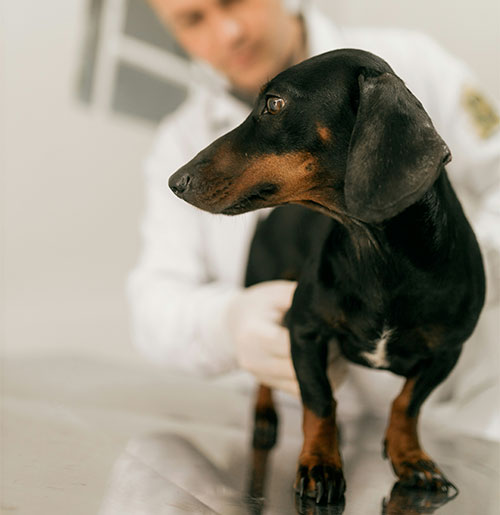
Vaccines Commonly Recommended for Dogs
Canine distemper, adenovirus, and parvovirus are usually delivered together in a combination vaccine, sometimes with parainfluenza. Distemper can affect the respiratory, gastrointestinal, and nervous systems. Adenovirus can cause infectious canine hepatitis, while parvovirus produces severe vomiting, diarrhea, dehydration, and immune suppression, particularly in puppies. Because these diseases are highly consequential, protection forms the foundation of canine vaccination.
Rabies is fatal once clinical signs develop and can infect mammals, including people. Florida law requires dogs, cats, and ferrets four months of age or older to be vaccinated against rabies, with limited exemptions certified by a veterinarian when vaccination would endanger an animal’s health. The first revaccination is required 12 months after the initial vaccine; later intervals follow the approved product and applicable requirements.
Leptospirosis is caused by bacteria shed in the urine of infected animals. Dogs can be exposed through contaminated water, soil, or surfaces, and wildlife and rodents can bring risk into urban and suburban neighborhoods. Infection may damage the kidneys or liver and can spread to people. Current AAHA canine guidance recommends leptospirosis vaccination for all dogs, not only rural or highly active dogs.
Other pet vaccinations may be appropriate based on lifestyle. Bordetella bronchiseptica is a frequent contributor to infectious respiratory disease and is often recommended for dogs that board, attend daycare, visit groomers, take classes, or socialize closely with other dogs. Canine influenza vaccination may be advised when social exposure or local activity increases risk. Vaccination for Lyme disease may be considered for dogs exposed to ticks in regions where the disease is present, including pets that travel. Your veterinarian can explain which risks are relevant in Clearwater and wherever your dog may go.
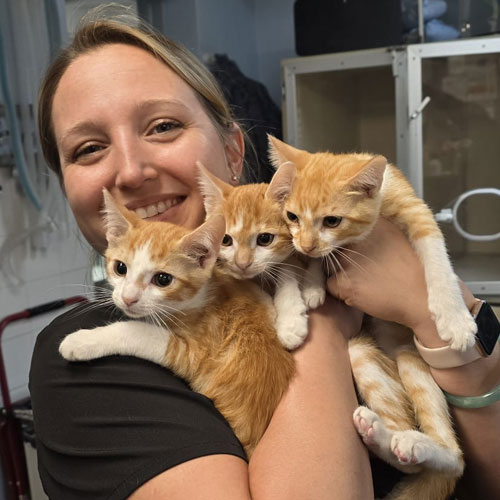
Vaccines Commonly Recommended for Cats
The core feline combination vaccine protects against feline herpesvirus-1, calicivirus, and panleukopenia. Herpesvirus and calicivirus are major causes of contagious upper respiratory disease. Panleukopenia is a highly contagious and potentially fatal viral illness that can cause fever, vomiting, diarrhea, dehydration, and dangerously low white blood cell counts. Even indoor cats benefit from core protection because pathogens may enter on clothing or objects, and an indoor pet can escape or need unexpected boarding or hospitalization.
Rabies vaccination is also essential for cats and is required under Florida law. Indoor status does not eliminate exposure: bats can enter homes, and a frightened cat can slip through an open door. Keeping rabies protection current safeguards your cat, your family, and the community while simplifying the response if a possible exposure occurs.
Feline leukemia virus, or FeLV, spreads primarily through close contact with infected cats. It can weaken the immune system and contribute to anemia, cancer, and other serious illness. AAHA/AAFP guidance considers FeLV a core vaccine for cats younger than one year because young cats are particularly susceptible and their future lifestyle may be uncertain. For cats older than one year, ongoing vaccination is based on risk, such as outdoor access or contact with cats of unknown FeLV status. Testing and household circumstances help guide the decision.
A Pet Vaccination Schedule Through Every Life Stage
Puppies and kittens need a series of vaccinations because antibodies received from their mother can interfere with an early vaccine while gradually fading to levels that no longer protect them. Repeating doses at carefully timed intervals helps close this vulnerable window. A typical series begins at about six to eight weeks of age and continues every few weeks until at least 16 weeks, although timing varies by vaccine, patient, and risk. Rabies is given according to age, product labeling, and law. Some vaccines require an initial two-dose series before reliable protection develops.
After the initial series, booster pet vaccinations reinforce immunity. A booster is commonly due within a year of completing the puppy or kitten series. Later intervals vary: some core viral vaccines may be administered every three years after the appropriate initial doses, while other vaccines are generally given annually or according to risk and product instructions. A vaccine labeled for a particular duration should not be assumed to cover every disease in a combination product for the same length of time.
Adult and senior pets still need regular vaccine reviews. Aging does not automatically remove exposure risk, and older animals can experience more serious consequences from infection. At the same time, health conditions, medications, previous reactions, and lifestyle changes may affect recommendations. The goal is not to repeat every vaccine every year; it is to maintain appropriate protection throughout your pet’s life.
What Happens at a Pet Vaccination Appointment?
Vaccination is most effective when it is part of a complete wellness visit. Before administering a vaccine, the veterinary team reviews records and asks about travel, boarding, outdoor activity, contact with other animals, and previous reactions. A physical examination can identify fever, pain, weight changes, dental disease, skin or ear problems, heart or lung abnormalities, and other concerns that may influence the day’s plan.
Please bring any vaccination certificates or medical records you have, especially for a newly adopted pet. Tell us about medications, supplements, allergies, chronic illness, pregnancy, or a past reaction. If records are missing or a vaccine is overdue, do not assume the entire series must always be restarted. The veterinarian will assess what is documented, the product involved, the time elapsed, and your pet’s present risk before recommending the safest way forward.
Our hospital’s broader preventive approach may also include parasite screening and prevention, bloodwork, dental evaluation, nutrition and weight guidance, and discussion of behavior or mobility. Pet vaccinations protect against specific infections; it does not replace the examination and screening that can reveal unrelated disease before obvious symptoms appear.
Planning Ahead for Boarding and Travel
Do not wait until the day before a trip or boarding stay to review your pet’s records. Kennels, daycare facilities, groomers, training programs, airlines, and destinations may each have their own vaccination and documentation requirements. Some pet vaccinations require an initial series, and protection is not immediate after the final dose. Starting early gives the immune system time to respond and leaves room to obtain health certificates or other paperwork when required.
Tell your veterinarian exactly where your pet is going, how they will travel, where they will stay, and which animals they may encounter. A road trip within Florida may raise different questions from interstate or international travel. Requirements can change, so confirm them directly with the facility, carrier, and relevant authorities. Keep digital and paper copies of current certificates, and check that your contact information and microchip registration are up to date before departure.
Are Pet Vaccines Safe?
Vaccines used in veterinary medicine are carefully evaluated, and most pets experience no significant problems. Mild, short-lived effects can include tenderness at the injection site, tiredness, a reduced appetite, or a low-grade fever. These signs often resolve within a day or two. Your pet may appreciate a quiet evening and normal access to water, but avoid giving human pain medication unless a veterinarian specifically directs you to do so.
More serious reactions are uncommon but require prompt attention. Contact us veterinarian immediately if your pet develops facial swelling, hives, repeated vomiting or diarrhea, difficulty breathing, collapse, marked weakness, or rapidly worsening symptoms. If you notice a persistent lump, ongoing pain, or any change that concerns you after vaccination, call the hospital for guidance.
A previous reaction does not necessarily mean a pet can never be vaccinated again. Depending on the circumstances, the veterinarian may separate vaccines, select a different formulation, use pre-treatment when appropriate, adjust timing, or weigh alternatives against disease risk. Accurate medical records are important, so tell us what happened, how soon it began, and which vaccines were given.
Common Questions and Misconceptions about Pet Vaccinations
Does an indoor pet really need vaccines?
Yes, core protection remains important. Indoor pets can escape, encounter a bat, meet another animal, or require boarding or emergency care. Some resilient viruses can also be carried into the home indirectly. Lifestyle may reduce certain risks, but it rarely makes them zero.
Can vaccines give my pet the disease?
Licensed vaccines are designed to stimulate immunity without causing the disease they prevent. Different vaccine technologies work in different ways, and mild immune-system effects such as temporary tiredness are not the same as infection. Your veterinarian can discuss formulations if your pet has a special medical consideration.
Are antibody titers a substitute for boosters?
Blood titers can sometimes help assess antibodies to certain diseases, but their usefulness differs by pathogen and situation. They do not replace every vaccine, and Florida does not accept rabies antibody levels as a substitute for current rabies vaccination. Titers should be considered with a veterinarian rather than used as a universal alternative.
Why vaccinate against diseases I rarely hear about?
Successful prevention can make a disease seem remote, but the organism may still be present. Declining vaccination creates opportunities for outbreaks, and travel or newly introduced animals can change local exposure. Preventing illness is safer, less distressing, and usually far less costly than treating a serious infection.
Building the Right Vaccination Plan for Your Pet
The best pet vaccination plan balances disease risk, expected benefit, legal requirements, and the individual pet’s health. It should be specific enough to protect an adventurous dog or socially active cat, but flexible enough to change when age, health, or routine changes. This is why online schedules are useful for general education but cannot replace a veterinarian’s recommendation.
At Animal and Bird Hospital of Clearwater, our team combines vaccination with proactive, personalized wellness care. Semi-annual wellness visits allow us to monitor changes over time, revisit exposure risks, and help you make informed decisions without relying on guesswork. Whether you have a new puppy, a newly adopted adult cat, a senior companion, or a pet with an uncertain vaccination history, we can create a clear plan for what is needed now and what comes next.
If your pet is due, overdue, preparing to board, or traveling soon, contact Animal and Bird Hospital of Clearwater to schedule an appointment. Bring any available records, and let us know about upcoming plans so we can account for the time some vaccines need to build protection. Together, we can give your pet protection that fits their life—and the preventive care that supports many healthy years ahead.
Sources and References
Schedule Your Next Appointment
Regular check ups with a veterinarian are important for your pet's health. Contact us today to schedule your next appointment.